
Feeling Stiffer Lately? Menopause Could Be Part of the Picture
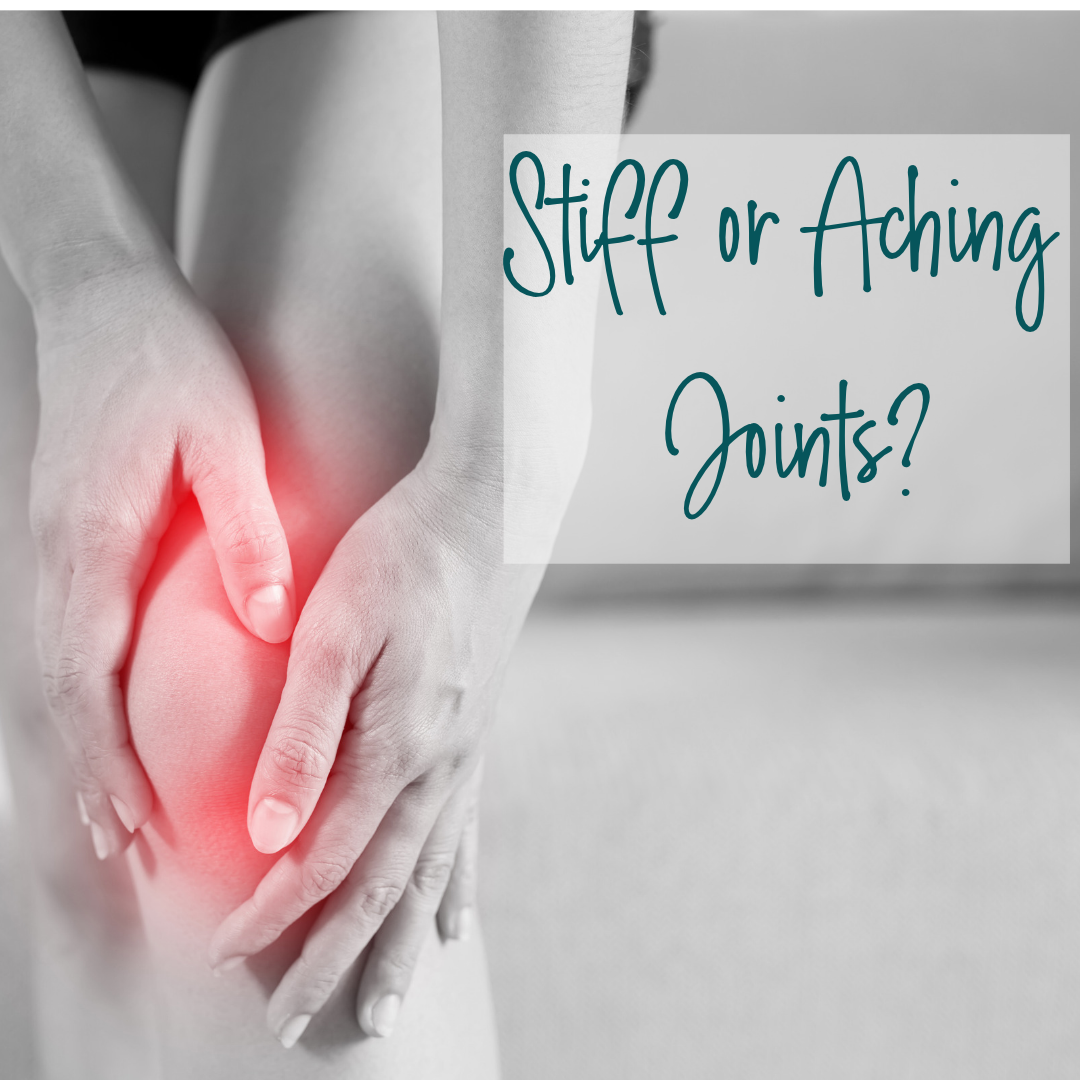
Have you noticed that your hips feel a little stiffer when you get out of bed? Perhaps your shoulders are more achy or knees complain after a long walk and niggling heel or tendon problem seems to take forever to settle down?
We hear plenty about hot flushes, disrupted sleep and changes in body shape during perimenopause and menopause. But there’s another change that gets far less attention: the way our muscles, joints and tendons can feel.
How menopause can affect our joints and muscles
One piece of the puzzle is oestrogen.
Oestrogen plays a role in the health of our muscles, bones, cartilage, tendons and ligaments. As hormone levels change during perimenopause and decline through menopause, some women notice changes in how their bodies move, feel and recover.
Generally increased stiffness, more aches after exercise or you might find that activities you previously bounced back from now need more recovery time.
Researchers talk about “musculoskeletal syndrome of menopause” to describe symptoms and changes that can occur around this stage of life, including joint pain, declining muscle and bone strength, tendon problems and changes in physical function.
It doesn’t mean every new ache is caused by menopause, but these symptoms do deserve a little more attention than simply accepting them as “getting older”.
How this can affect tendons
Tendons are the strong connective tissues attaching our muscles to our bones, and are made of largely collagen.
Oestrogen influences collagen turnover and the way tendons respond to physical load. As oestrogen levels decline, tendons can become less resilient or take longer to recover, particularly when we suddenly ask them to do more than they're used to.
Common areas for tendon problems include:
Achilles tendon and heel
Underneath the foot
Outside of the hip
Hamstrings
Shoulder and rotator cuff
Elbow and wrist
Hormones aren’t solely responsible;
A sudden increase in exercise, repetitive activities, previous injuries, reduced muscle strength, footwear, body weight, poor sleep and insufficient recovery can all contribute.
Aching joints?
Hands, knees, hips, shoulders and the spine can all feel achier or stiffer during perimenopause and menopause.
Hormonal changes may influence inflammation, pain sensitivity and the tissues surrounding our joints.
However, it's important not to put every painful joint down to hormones. Conditions such as osteoarthritis, inflammatory arthritis, bursitis and previous injuries can produce similar symptoms, so persistent or worsening pain is worth getting checked.
So, what can we do?
The encouraging news is that there is plenty we can do to help our bodies remain strong, mobile and capable.
1. Keep moving
When something aches, stopping exercise altogether can be tempting. But too much inactivity can increase stiffness and gradually reduce muscle strength.
Walking, swimming, mobility work and gentle cardiovascular exercise are all great ways of keeping your body moving.
Adapt things where needed to keep moving.
2. Strength training
Strength becomes increasingly important at this stage of life.
Strengthening the muscles surrounding our joints provides support, while appropriately loading tendons helps them adapt and remain strong.
Aim for strength work at least twice a week, at a level that suits your fitness, experience and health.
Consistency and gradual progression are more important than intensity.
3. Avoid the “too much, too soon” trap
You've signed up for a new class, decided to increase your daily steps and rediscovered your enthusiasm for weights. Brilliant!
Just try not to do everything at once.
Tendons and joints appreciate time to adapt. Problems can appear when we suddenly increase our running, jumping, walking, weights or number of classes.
Build things up gradually and give your body adequate recovery time between harder sessions.
4. Warm up properly
Before starting to workout – warming up is key
Use controlled mobility exercises followed by lighter versions of the movements you're about to perform. A resistance band, towel or yoga strap can also be useful for gentle upper-body mobility.
Warming up is preparing your body for movement, not just filling in five minutes before the “real” workout begins.
5. Don't overlook recovery
Exercise is one part of the equation.
Sleep, stress and nutrition can all influence how well we feel and recover. Prioritise regular rest, getting enough protein, a varied and balanced diet, and good hydration.
If menopause is disrupting your sleep, that may also be worth addressing rather than simply trying to push through the resulting fatigue.
Know when to ask for help
There's a difference between feeling a little stiff and pain that is persistently affecting your life.
Consider speaking to your GP or physiotherapist if:
Pain interferes with everyday activities or sleep
Pain or swelling is getting worse or repeatedly returns
Symptoms aren't improving
Morning stiffness is prolonged or becoming more noticeable
You're worried about your symptoms or unsure whether it's safe to exercise
The takeaway: keep moving, just move smarter
Our bodies do change through and after menopause, but this just means we need to think differently about how we exercise and train.
And if something doesn't feel right, don't simply assume it's your age or your hormones. Get the right advice and keep doing the things that help you feel strong, confident and well.