
Fibre + Protein: Why are they so important after 40?
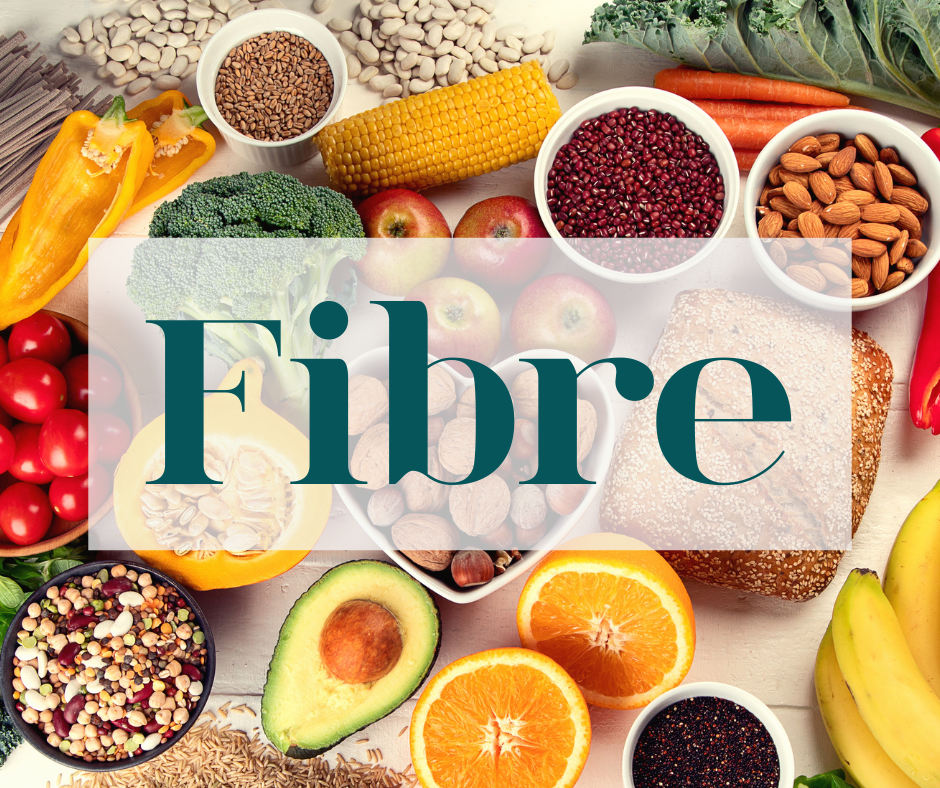
If there are two nutrients that are vitally important to how you feel, train, recover, and manage your weight after 40, it’s fibre and protein. Research shows they’re the most effective tools women in midlife can use to support energy, hormones, and body composition.
It can seem like a bit of a minefield if you’re not a nutritionist, so here’s a summary of what we need to know
Why these nutrients matter more after 40
From our early 40s, hormonal and metabolic changes start to kick in:
• Oestrogen declines, affecting muscle, bone density, fat storage, and gut health
• Insulin sensitivity drops, making blood sugar spikes more common
• Inflammation increases, slowing recovery and affecting joints
• Muscle mass naturally declines by 3-8% per decade unless we actively protect it
The good news is Protein and fibre directly support us through every one of these changes.
Protein: Our foundation for strength, recovery, and energy
Most active women don’t get enough protein – the consequences of this can include slower recovery, more soreness, plateaus, and energy crashes.
Protein helps us:
• Maintain and build muscle, which keeps our metabolism strong
• Recover faster from training
• Support fat loss while preserving muscle
• Stabilise energy and mood, by smoothing out blood sugar peaks & troughs
How much protein?
We should aim for 1.2–1.6g per kg of bodyweight per day, spread across 3–4 meals. Think 25-35g per meal if you’re active.
Fibre: Hormones, gut health & energy
Fibre doesn’t just “help digestion”. It feeds your gut microbiome - which influences everything from inflammation to exercise performance.
Fibre supports:
• Hormonal balance, especially oestrogen metabolism
• Better blood sugar control, which means steadier energy and fewer cravings
• A healthier weight, thanks to its satiating effect helping us feel full
• Reduced inflammation, supporting joint comfort and faster recovery
How much fibre?
The NHS recommends 30g/day, but most women in the UK get around 17g. Small daily changes make a big difference.
The benefit of fibre + protein together
Research shows us that these two nutrients are more powerful together than alone.
When you pair them:
• Blood sugar stays stable
• Energy is more consistent
• Our gut bacteria thrive
• Recovery improves
• Weight management becomes easier
Protein + fibre in every meal = long-lasting energy + better training + better hormone support.
Practical tips to increase both
Breakfast
• Oats with ground flaxseed, berries, and a scoop of protein powder
• Eggs with wholegrain toast and avocado
Lunch
• Add a tin of chickpeas, cannellini beans, or lentils to soups, salads, or pasta
• Choose seeded or wholegrain bread
Dinner
• Leave skins on veg like sweet potato and carrots
• Add prebiotic foods: onions, garlic, leeks, asparagus
• Serve with lean protein: salmon, chicken, tofu, eggs, Greek yoghurt
Snacks
• Apple + nut butter
• Oatcakes + hummus
• Greek yoghurt + berries
• A handful of nuts or edamame beans
Rule of thumb: Try and Increase fibre gradually and drink plenty of water, this will help avoid feeling bloated if you haven’t been getting enough fibre before.
What & when to eat to support exercise
Before exercise (1–2 hours):
Light protein & complex carbs, e.g. oatcakes with peanut butter, or oats with a little protein.
After exercise (within 2 hours):
Prioritise protein for repair & fibre-rich carbs for gut recovery.
Examples: Greek yoghurt with berries, anything with lentils or salmon with quinoa & veggies.
5 meal ideas to try this week
• Protein overnight oats with chia and berries
• Lentil and spinach dhal with brown rice
• Salmon with roasted sweet potato (skin on) and broccoli
• Chicken and chickpea salad with wholegrain pitta
• Edamame, quinoa, and avocado bowl with a soft-boiled egg
In summary
Your body isn’t slowing down - it’s just changing and getting our protein & fibre right are the most effective, research-backed way to help us support that change.
More protein & more fibre - Consistently.